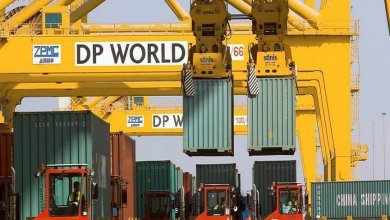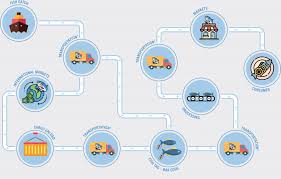
One of the oldest and most important sectors of the world economy, the fishing industry has expanded beyond small fishing villages. It is now a multimillion dollar business that sustains livelihoods, helps ensure food security and is vital to global trade. As far as the world’s fishing and seafood distribution goes, at the heart of this thriving enterprise is a sophisticated financial system that takes the role of wheels.
The financial backbone of the seafood industry
A fish business like any other collective enterprise requires careful financial management. Boats, nets, storage facilities, processing units and transport require huge investment. Industry cannot function effectively or sustainably without a structured credit infrastructure.
Finance contributes to the financial system of the fish industry:
Fishing operations: Vessels, fuel, equipment and fishermen are included in the salary.
Processing Facilities: Funding of facilities required to prepare, package and store fish products.
A source of finance in the fisheries sector
A fish business receives money from various sources:
Government support: To help fishing communities and promote sustainable practices, many nations provide grants, less extensive loans, and subsidies.
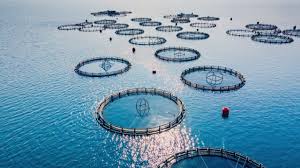
Private investment: To expand their operations, businesses invest in aquaculture farms, processing facilities and international supply networks.
Banking and credit systems: Before their catch is sold, fishermen often use credit to pay operational costs or purchase equipment.
Financial system challenges
The financial structure of the fisheries industry despite its importance faces several constraints:
Fish markets are highly volatile around the world, requiring estimates of revenue due to fluctuations in demand and prices.
Concerns about overfunding: Environmental sustainability issues can lead to stricter regulations affecting the budget.
Small-scale fishermen sometimes find it difficult to access financial services or loans where credit is readily available.
The future of finance in the fish industry
Modern financial tools including blockchain technology, mobile payments and digital banking are being explained by this sector. These progressive seamless cross-border features enhance commerce, credit availability and increase transaction transparency. To promote ethical fishing and aquaculture practices, a permanent financial framework is also being implemented.
Final thoughts
The fish business is a complex economic sector that relies heavily on a well-organized financial system; This is more than just boats and nets. Industry is maintained by the financial system, which is the day-to-day financing from international trade.
The financial system will be even more important to ensure that the fish business continues to feed the world and maintains the livelihood of millions of people because stability and technological progress attains importance.