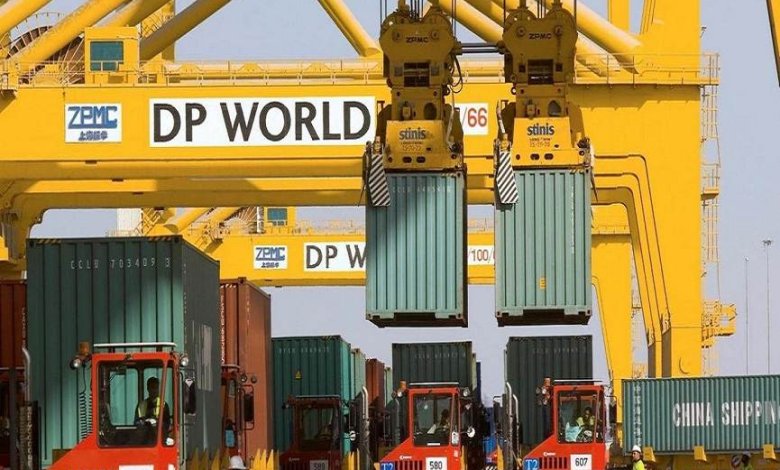
Today’s shared economy has increased the need for imported goods in industries. From luxury vehicles to state-of-the-art technology and imported fruits, global imports are made possible by consumer preferences and corporate trends. The business of importing goods has both possibilities and problems for businesses and individuals. Knowing the ins and outs of this industry can mean the difference between survival and failure in the jackfruit market.
Why are imported goods important?
Domestic market inefficiencies are often exhibited by imported goods. For example, to meet consumer demand, nations with poor agricultural conditions must import food. In a similar vein, luxury goods, technology and branded clothing are mostly generated from top international markets. Businesses that can close the gap between local customers and international suppliers are able to take advantage of this demand.
In addition, imports contribute to raising the standard of living. Consumers with access to international goods can enjoy quality, innovation and variety that would otherwise not be available. Importing gives importing firms a competitive edge by providing a specific, perhaps non-sourced product.
Import the business model
Running an imported product business involves more than just procurement and resale. It calls for careful preparation after regulations and clever marketing. The main stages include:
Market analysis
Entrepreneurs should check the items that are in demand in their target market. For example, exotic foods may flourish in ethnic communities, while high-end gadgets may flourish in metropolitan areas.

Supply chain and logistics management.
Imports involve complex logistics, from shipping and customs clearance to distribution and storage. An effective supply chain system helps in cost control and timely availability of products.
real care
For the protection of national regions, the nation implements import rules, levies and tariffs. To avoid punishment, companies must continue to respect intellectual property rights, health and safety regulations, and customs regulations.
sales and marketing
A sense of specificity is often associated with imported objects. Whether they are promoting Brazilian coffee, Japanese technology, or Italian leather, their appeal can be increased through effective branding and storytelling.
Obstacles faced by importing companies
Even if the prizes are significant, there are risks associated with importing goods. While supply chains can be disrupted by political unrest or corporate restrictions, exchange rates can also have an impact. Delays in shipping and the cost of producing goods are other problems, especially in a modern northern world, when the global supply chain is under pressure.
Another element is competition. Companies should differentiate themselves through customer service, pricing methods and specific propositions as e-commerce imports become more accessible.
final thoughts
Imported objects are more than objects that cross borders; They also try to present cultures, satisfy needs and influence consumer lifestyles.

If they have an eye for trends and smart preparations, entrepreneurs can turn international possibilities into stories of local success. In a world where boundaries are quickly staining, imported goods provide growth and innovation in addition to trade.