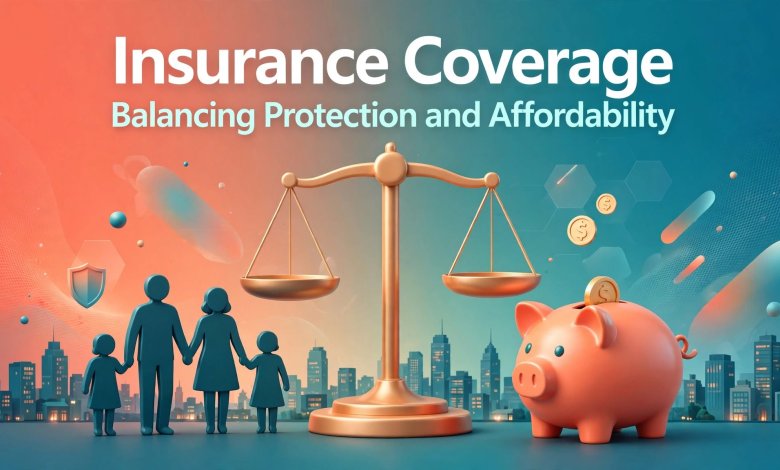
Insuring yourself, your family or business can put financial protection in place for unexpected situations. In order to help manage any unexpected costs which may arise due to illness, accidents, or damage to property, the right insure can be highly useful. However, it is important to choose a policy which means you have enough coverage but not overpaying at the same time. To do this well it is best to understand the options available, compare between insurers, and understand what coverage is needed. Below are 9 tips to adjust to improve your insurance choices.
Know what coverage you need
Depending on individual or business situation, different insurance may be required. For individuals health, life, car insurance and home insurance may be considered. For businesses it may be property and liability insurances. You may need to take into account your age, income, family obligations, and high-value items to decide what type of insurance is needed. This will allow you to choose an appropriate type of insurance and ensure you are not paying for coverage that you do not need.
Find the best cover for you by comparing different options
It can be beneficial to compare between multiple insurers, to find the best coverage in line with your budget. Different insurers may offer varying prices and amounts of coverage, as well as exclusions, and extra covers. Taking the time to compare cover between multiple insurance options can help you to make a more appropriate decision. Do not just look at the cheapest options, instead review what full coverage has been provided on offer. Comparing into fine detail will allow you to find good value for money insurance.
Choose an appropriate amount of cover
Choosing the right amount of coverage within your insurance means that, in unforeseen situations, you will not put yourself in financial difficulty. Too little coverage may mean you face large costs; however, too much coverage may mean you overpay. Take into consideration what you are responsible for financially and what loss you may face in case of unexpected events.
Know the cost of premiums and excess
Premiums are regular payments to have an insurance. The excess is the amount of money that you need to pay towards any valid claims. Choosing fewer premium payments and higher excess may be offered in some policies. However, think about whether you would be able to pay the increased excess within an emergency. Understanding the costs of premiums and excess in your insurance can help you remain financially secure.

Avoid paying for extra insurance
Sometimes, insurance companies will offer extra cover which may be unnecessary. Although it may give you added protection, it can also increase the costs of your insurance. Consider the extra features being offered and decide whether they truly suit your needs. Purchase basic cover to keep costs down. This will allow you to remain safely protected with insurance without costing too much.
Make sure insurance fits in with your budget
Consider how much money you have coming in per month/ year, your household costs, savings, and other financial commitments. Doing this helps ensure that your insurance fits in with your budget to avoid pressure on your budget. You can also avoid missing out on payments, and allows you to be consistently covered while working towards other important financial goals.
Check your insurance regularly
As your personal and professional life develops you may need different cover. Getting married, having children, buying property, and growing your business may mean that you require further protection. Look over your current insurances so that any gaps are found. Also, check that you are not being overcharged for cover and that you are not paying for unneeded cover. Finally, ensure that the conditions for renewal are clear and premiums are reasonable so that insurance has been chosen to suit you in a cost effective way.
Look for deals and flexible payment options
Many insurance companies may offer discounts or flexible payment options to appropriate customers. This may be by offering price breaks in cases where multiple insurances are taken out, or cheaper policies if you have certain risk reducing measures in place. Or there may be specific payment schemes. Get in touch with insurance companies to see what deals are available. However, ensure that you consider the conditions within each policy – as discounts should not mean that important coverage is omitted.
Choose a trustworthy insurance company
Choosing a trustworthy insurance provider is very important alongside getting a good value for money insurance. Consider reviews, customer service, the financial security of the company, and the processing of claims. Carefully read through the policies, and if something is unclear get clarification. Choosing a trustworthy company with clear terms in policies means that using insurance will be less stressful and gives you more reassurance that you can be financially protected.
Conclusion
careful decision making can help balance good protection and affordability within insurance. Know what risks you face, compare policies, and choose appropriate levels of coverage to help you find a suitable policy for your needs. Additionally, avoiding unneeded coverage and choosing trust worthy companies can help better manage finances. Choosing necessary coverage and making sure that the insurance is affordable in the long term,

means that you can better protect yourself financially without increasing costs.
Thanks