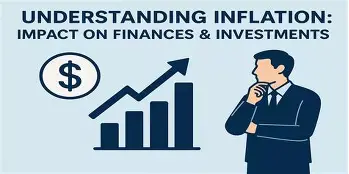
Inflation is one of those things that sounds complicated until you notice that your grocery bill has gone up by 20 percent or your savings account is not keeping up with the rising costs of things. Inflation affects every part of your life from what you pay for groceries to how much your investments need to grow. Understanding inflation and how it affects you helps you make decisions about your money.
What Is Inflation?
Inflation is when the prices of things like food and clothes go up over time which means the money in your pocket does not go far as it used to. For example if inflation is 5 percent the things you bought for 100 dollars year will cost 105 dollars this year. This means your dollars do not stretch far as they used to.
How Inflation Impacts Different Areas of Your Finances
Your Savings and Cash
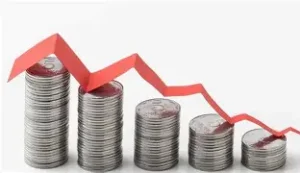
The problem is that if your savings account earns 0.5 percent interest and inflation is 5 percent you are actually losing 4.5 percent of the value of your money every year. This has an impact on your life.
* 10,000 Dollars you saved today will buy stuff next year.
* Money that just sits in a low-interest account will be worth over time.
* The money you saved for emergencies will not go far as it used to.
Your Investments
Inflation has effects on different types of investments.
* When inflation goes up the returns on bonds go down because the interest rate on bonds does not change.
* Stocks have historically done better than inflation over the term.
* If your investments do not earn more than the inflation rate you will not have much money as you thought.
One important thing to consider is that if your investments earn 3 percent and inflation is 5 percent you are actually losing money.
Your Debt
There is a side to inflation when it comes to debt: it actually helps people who owe money. This is because the dollars you use to pay back your debt are worth less than they were before.
For example if you have a 200,000 dollar mortgage it will be easier to pay back if your salary goes up with inflation. Your mortgage payment stays the same.
Your Purchasing Power
Inflation affects your life.
* Groceries cost more.
* Gas costs more.
* Housing costs more.
* Healthcare costs more.
* Going out to eat or to the movies costs more.
Over time inflation adds up. The things that seem affordable today might be too expensive in ten years.
Your Retirement Planning
Inflation is a challenge when it comes to planning for retirement. This is because the money you save for retirement has to last for decades and inflation will keep reducing its value.
* If you need 30,000 dollars per year to live in retirement you will need a lot money in twenty years.
* It will be harder to live on a fixed income in retirement.
* Healthcare costs, which tend to go up than inflation can be very hard on your budget.
Real Examples of Inflations Impact
Housing:
A house that cost 200,000 dollars in 2010 might cost over 400,000 dollars today.
Education:
College tuition has gone up a lot faster than inflation.
Healthcare:
Medical costs have gone up faster than inflation.
Gas and Groceries:
The prices of these things have tripled over the ten years.
Strategies to Protect Your Finances from Inflation
Invest for Growth
* Stocks have historically done better than inflation over the term.
* Real estate can help protect your money from inflation.
* Having a mix of investments can help you combat the effects of inflation.
Increase Your Income
* Try to get a raise or a promotion.
* Start a side business. Invest in something that will earn you more money.
* Learn skills to increase your earning power.
* Starting your business can help you earn money that keeps up with inflation.
Focus on Inflation-Protected Assets
* Treasury Inflation-Protected Securities or TIPS are a type of investment that keeps up with inflation.
* Real estate and property can help protect your money from inflation.
* Commodities and precious metals can also help.
* Stocks that pay dividends can be an investment.
Reduce Fixed Expenses
* Try to get a mortgage rate.
* Pay off your debt.
* Reduce your expenses.
* Make a budget that’s efficient.
Plan Ahead
* Take inflation into account when planning for retirement.
* Increase your savings goals.
* Review your goals regularly.
* Prepare for the fact that things will cost more in the future.
The Long-Term Perspective
Inflation is something that will always happen. Over twenty years even a small amount of inflation can make a difference in what your money can buy. This is why
* Keeping your money in a savings account will cause it to lose value.
* You have to plan for inflation when saving for retirement.
* Your investments need to earn more than the inflation rate.
* It is just as important to increase your income as it’s to have a high salary.
Taking Action
Start by calculating how inflation will affect your finances:
* Look at what you spend every month.
* Estimate what things will cost in ten, twenty or thirty years assuming an inflation rate of 3 percent.
* Evaluate your investments to see if they are earning more than the inflation rate.
* Change your strategy if you need to and invest in things that will help you combat inflation.
* Make a plan to increase your income so it keeps up with the rising costs.
Final Thoughts
Inflation is not something to be afraid of it is something you need to understand and plan for. By knowing how inflation affects your finances and using strategies to protect yourself you can keep your purchasing power and financial security when prices are rising.
Start this week by looking at one area of your finances such, as your savings rate, investment returns or retirement plans. Make sure you are prepared to thrive despite inflation not just survive it.
Thanks