Exploring Finance in South Africa: Growth, Challenges, and Opportunities
Finance in South Africa

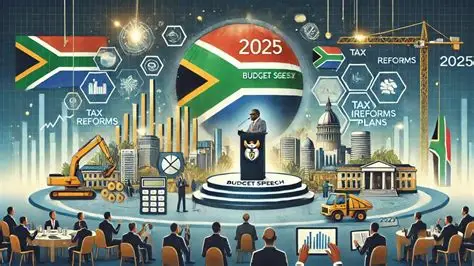
South Africa’s financial sector is essential for the country to become one of the most developed and diverse economies in Africa… The country’s financial sector is known for its steady growth and innovation. As in South Africa, the financial situation has developed into a model for other, other developing countries, from established banking systems to fintech companies. What you should know Understanding finance, finance in South Africa includes its composition, important players and the challenges of balancing inclusion and growth.
A strong and organized financial system
The fundamentals of South Africa’s financial system are strong. It consists of a strong banking sector, a developed capital market and an expanding investment and insurance sector. Guess what? You know what? Through prudent monetary policy, the Fed plays a key role in overseeing financial institutions and maintaining economic stability.
Seriously, seriously, some of the biggest and best-known financial institutions in Africa, including Standard Bank, FirstRand Nedbank and Absa Group, are headquartered in South Africa. As, in addition to their control over the local market, these banks have a large presence in Africa. Seriously, from , From commercial and personal banking to investment solutions, they offer a wide and comprehensive range of services that support regional and local economic development.
Examples include investment and capital markets
The largest and most developed stock market in Africa is the Johannesburg Stock Exchange (JSE). Like It serves as a central location for domestic and foreign investors seeking opportunities in sectors such as mining technology and energy. Seriously, the Johannesburg Stock Exchange is known around the world for its strict standards and high level of openness.
Pension funds, pension funds and venture capital firms are becoming increasingly important in the ongoing development of investment finance in South Africa. And oh yes, because they offer, they offer sustainability and long-term rewards, the rewards of infrastructure projects and South Africa’s renewable energy industry is particularly attractive to foreign investors.
Estimate? And yes, and yes, the rise of fintech innovation
The financial industry in South Africa has changed in recent years due to financial technology or fintech. And yes, guess what? And yes, companies like TymeBank PayFast and Yoco are revolutionizing the way people access and manage their finances. Did you know that FinTech , FinTech has simplified and increased access to digital banking, mobile payments and microcredit, especially in rural and low-income areas?
In line with this digital transformation, the government aims to promote financial inclusion. you know that smartphones have enabled millions of South Africans who previously had access to traditional banking systems to create, create accounts, make payments and save money.
Do you know the challenges facing the financial sector?
Despite its advantages, South Africa’s financial sector faces a number of challenges. Economic inequality, high unemployment and lack of financial literacy continue to be obstacles for this population group. You know, you know what? You know what? In addition, issues such as unpredictable government corruption and the effects of global inflation threaten investor confidence.
You know what? Government organizations and the South African Reserve Bank are working to improve governance, encourage responsible lending and support small business financing. To achieve sustainable growth, financial education and access to affordable credit must be improved.
And yes, the future, the future of finance in South Africa
With help, through digital transformation, investment diversification and regional cooperation, South Africa’s financial sector appears to have a bright future. The South, South Africa is in a strong position to lead the continent in innovation and economic resilience as technology transforms the financial sector.
Seriously, the financial sector, the sector is kept stable and forward looking due to ongoing reforms, transparency and inclusion. Not only is the financial sector in South Africa booming, but it is also influencing the direction of African finance, thanks to strong and robust institutions, new fintechs, fintech forces and a growing awareness of financial responsibility.
You know, you know what? In summary
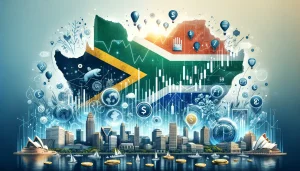
South Africa’s financial sector has a dynamic balance between tradition and innovation. The global, global influence of the Johannesburg Stock Exchange and the rise and rise of mobile banking are just two examples of how a country’s financial development can teach and teach emerging economies around the world how to be inclusive, growth-oriented and resilient.