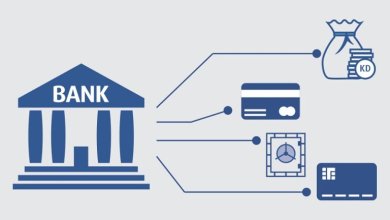
Banking and finance in the current digital age is no longer limited to physical locations or paper-based transactions. The region has grown rapidly by providing ease, speed and connectivity across the globe. However, there are many pitfalls associated with this digital shift, chief among which is cyber security. Financial institutions deal with a lot of sensitive data, from personal information to large transactions, thus the security of this data has become both a business priority and a regulatory requirement.
An increasingly dangerous landscape
The treatment and frequency of cyberthreats is increasing in the banking and financial industry. The Institute is a target for ransomware, malware, phishing attacks and data breaches by hackers and cybercriminals. A successful attack has the potential to cause financial loss, personal reputation, legal consequences and erode customer trust. According to recent data, strong cyber security procedures are essential, with the financial industry subject to some of the highest rates of cyber attacks compared to other businesses.
Risk is increased by the mutual structure of international finance. Despite their convenience, payment gateways, smartphone apps and online banking systems give cybercriminals a wide range of access. In addition, even with tight budgets, fintech startups based on cloud-based solutions are on offer. Caution is required because of the high stakes.
Key Cyber Security Measures in Banking and Finance
Financial institutions use a range of cyber security strategies to protect property and data:
Data encryption guarantees that, in the event that information is intercepted, it will remain available indefinitely without the need for a proper decryption key.
Multi-Facial Certification (MFA): MFA reduces risk

Repeated security audit: Cybercriminals use continuous monitoring and auditing to find weaknesses before exploiting them.
There have been many violations as a result of employee training due to human defects. Employee education is important on safe techniques, social engineering and fishing.
Fraud prevention can be done in real time by detecting advanced threats, which uses artificial intelligence and machine learning to identify asymmetric transaction patterns.
Regulatory compliance and cybersecurity
Governments and regulatory agencies around the world accept the importance of cybersecurity in finance. Institutions must follow such PCI DSS to protect customer data for strict guidelines, GDPR or payment processing in Europe. Lack of transportation can lead to costly punishments, legal action, and decreased consumer confidence. Cybersecurity is now required by law and is necessary to maintain operational integrity.
Cooperation work
Banking cybersecurity is more than an internal issue. When financial institutions, technical providers and regulatory agencies work together, prevention is strengthened. Sharing information on standardized procedures, collaborative cybersecurity exercises and new threats provides an integrated front against cybercrime. Fintech innovation offers possibilities for development and security while maintaining a common level of awareness.
The future of cybersecurity in finance
Cybersecurity strategy should change as a result of technologies such as blockchain, artificial intelligence and quantum computing. While AI improves danger detection, blockchain provides secure and irreversible transaction records. If they continue to apply and include these strategies, financial institutions will be better equipped.
in conclusion
Banking and finance cannot be present in the digital age without strong cyber security measures. Operations continuity and consumer beliefs depend on the protection of sensitive data, prevent fraud and follow legal requirements.

The banking industry should be more vigilant, creative and cooperative with an increase in cyber risks. Since cyber security is the foundation of contemporary finance, it is no longer a technical issue for banks, fintech or investors.