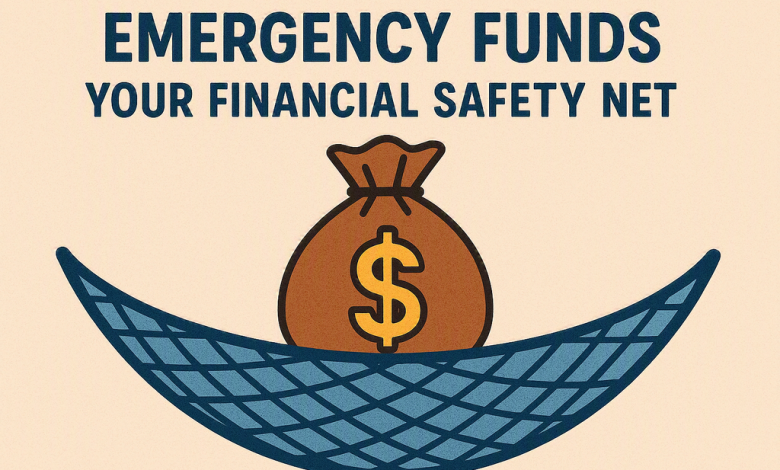
Stuff happens. Your job is gone. You get a huge medical bill. The car breaks down. You don’t have any savings. So all your financial plans have just went down the drain. This is where the emergency fund, our best friend, comes in. It can save you from going into debt and derailing your future plans.
Let’s dig in and learn why this savings bucket is essential and how to get one started.
Why Is Your Emergency Fund Your Best Friend
You see, savings aren’t really about the amount of money. Savings are about feeling confident and secure enough to deal with unexpected life challenges.
No More Debt: without savings, life’s unexpected events could force you into using high-interest credit cards to pay for what you need. Those balances add up quickly and can be a nightmare to pay off.
Safeguard Your Future: if you’re tempted to tap into retirement accounts or investment portfolios when things get tough, you’ll pay penalties, taxes and the missed growth can seriously hurt your future wealth building efforts.
Sleep Well at Night: having financial flexibility is going to ease your anxiety. That knowledge alone is priceless.
Prepare for Anything: a lost job and car repairs are less panic inducing if you are ready for them.
How Much Is Enough
Your magic number will depend on you. Here’s a starting point.
The Rule of 3 to 6 Months: this is the most popular suggestion, for good reason, recommending three to six months of essential expenses saved.
If You’re Prone to Income Insecurity: for example, if your job stability isn’t guaranteed or you’re a freelance contractor or self-employed, aim for six to 12 months.
Consider Family Size: for larger households, you’ll likely want a bigger nest egg.
The Debt Burden: if you’ve got a big problem with high-interest debt, you might want to establish a smaller initial emergency fund, while aggressively tackling debt.
Where to Stash the Cash
The location where you stash your emergency cash matters.
High-Yield Savings Account: these are insured, offer a competitive interest rate compared to typical checking accounts, and are accessible.
Money Market Account: these are similar to savings accounts in accessibility but may offer a better rate of return. Be careful: there may be limitations on the number of withdrawals or transfers you can make per month.
Don’t Touch the Stocks: investing money earmarked for emergencies into volatile stocks and funds can backfire; in a worst-case scenario, the market may fall when you desperately need that cash.
Create a Separate Account: you will have a hard time justifying spending money on nonemergencies if it’s in a separate savings account.

How to Create Your Emergency Fund
It can feel daunting to set aside money equal to months of living expenses. Simply begin!
Just Start!: even if you only stash $20 or $50 in savings every month, it will start to build!
Automate It!: you’ll get paid. As soon as it’s deposited into your bank, set up an automatic transfer of funds into your savings account.
Use the Windfall: every unexpected check (think tax refund, bonus or cash gift) can also boost the emergency fund.
Temporarily Cut Back on Spending: cut out that latte, or pack lunch, or take a break from streaming services. Just for a little while to build up savings faster.
Break It Down: work to build one month’s worth of savings at a time, then add another month, then another.
When Should You Tap the Funds
Don’t confuse small hiccups with major emergencies. Your emergency fund is intended for major unforeseen events: job loss, unexpected medical procedures, critical home repairs, or car accidents.
It is NOT for planned expenses: a much-anticipated trip to Disney World, Christmas gifts, a summer family vacation or an annual gym membership fee are not “emergencies” for which an emergency fund should be utilized.
Rebuild After Using It!: once the cash is gone, work on replenishing the fund as soon as you possibly can.
Avoid These Common Pitfalls
Underestimating Expenses: make sure you’ve accounted for ALL recurring costs – utilities, insurance premiums, subscriptions, and the like – when you calculate your savings goal.
Easy Access Can Backfire: it may be convenient, but keeping your savings in your checking account makes it too tempting to spend the cash on frivolous things.
It’s OK to Touch Your Emergency Fund Once in a While: but be mindful of using the funds too frequently for less-than-dire situations. Also, remember to put it back into your fund.
Reassess Regularly: life happens, and as it does, your expenses, job, and income might all change, meaning your ideal emergency fund size will change as well.

The Bottom Line
An emergency fund is way more than a stash of cash. It’s security, the security that comes from knowing no matter what curve ball life throws at you, you will be able to handle it.
Thanks