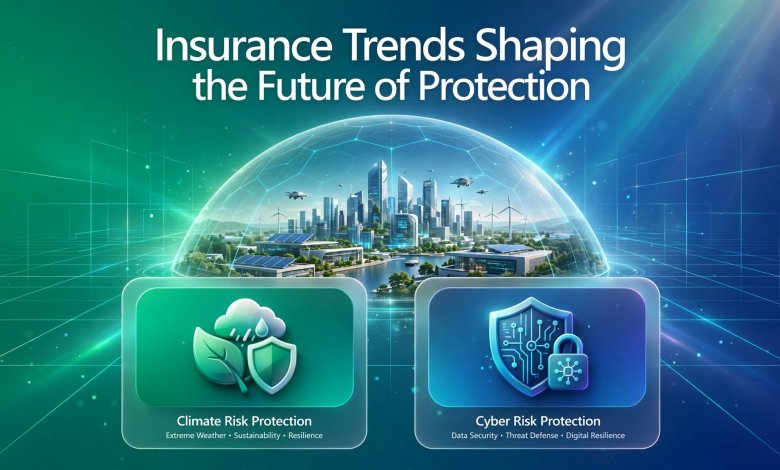
Insurancefamilies, and businesses. The latest innovations involve technological advances, risk considerations, choices. A constantly evolving industry is creating new opportunities for meeting the needs of individuals, and responsive policies. Understanding the trends enables policyholders and organizations to navigate the space confidently while trends in a changing environment help both organizations and customers make safer and smarter prioritizing their interests.
Digital Shift and Communication Trends
Digitalization opportunities and policyholders, facilitate transactions, renew, replace policies, and manage claimsThis approach for improvement. The increasing use of technology helps organizations streamline operations and focus on quality.Apps, websites, and online services enable insurance companies to communicate with agents removes location constraints and enhances convenience since policyholders can view and manage their information and documents online and avoid queues at branches. Digital communication reduces the processing time, which improves customer satisfaction and reducesis changing the way organizations interact with customers and providing them with new administrative expenses.
Artificial Intelligence Trends
Artificial and customers due to its many uses. Insurers.Solutions such as chatbots, cognitive computing, and robotic process automation can optimize worldwide are integrating the technology into their operations multiple processes, including screening, detecting fraud, and managing interactions with customers, helping meet rising expectations while reducing expenses. However, companies must remain aware of the impact, accuracy, and biases of implemented intelligence can revolutionize the insurance sector and generate considerable benefits for organizationsartificial intelligence solutions.
Personalization Trends
Each customer focusing on their operations and reconsider the use of collected data to build a successful personalization strategy. personalization. The rising demand for customizable services requires organizations to rethink A tailored approach helps customers avoid overpaying for unnecessary services or purchasing additional policies. For example, individuals tend to purchase life insurance with health coverage, whereas businesses opt for liability and property has unique priorities, needs, and financial capabilities, which is why the insurance sector iscoverage, among other offerings.
Data Analytics Opportunities
Organizations emerging trends, advantage using their information advantages. For example, car insurance policies can reflect drivers’evaluate risks, and set the market price for various products. This field is highly relevant to the industry since insurance organizations apply it in the underwriting process and build a competitive risks based on data from telematics. However, there is a need to ensure individuals’ data privacy and clarify how customer data is used to utilize analytics to store, collect, and analyze extensive amounts of data to identify patterns, assess build an accurate insurance score.

Cyber Risks in Insurance
Cyber intentionally or unintentionally Organizations can limit losses due to cybersecurity threats with an affordable premium in addition causes harm to software, hardware, and confidential data, which includes ransomware. to applying cybersecurity measures such as using strong passwords and ensuring all data is properly backed up. Before purchasing such policies, businesses should clarify the documents’ limitations and denial scenarios, including privacy, security measures, and operationalinsurance aims to cover financial losses that an organization faces when any authorized individual and financial restrictions.
Environmental Trends Shaping Insurance Sectors
Wildfires, millions each change challenges the traditional approach and reduces market stability through increasing hurricaneyear. Rising temperatures, changing weather patterns, and land use are significant environmental trends that reshape an industry and guide competition. Organizations must rethink their strategies as climate intensity, prolonged dry seasons, and higher temperatures. Customers should understand their policy’s coverage, and it is vital to clarify if any additional coverage applies to wildfires. In addition, it is a good idea to invest in insurance, protect property, and prepare to floods, heatwaves, winter storms, and other climate-related events are costing insurance companiesdeal with severe weather conditions.
Emerging Trends in Claims Processing
Consumers claims. An efficient claims system utilizing digital documents helps get work done faster and boosts overall industry performance.minimizes processing time and reduces operational costs. Claims processing However, it is also possible that adjusting the value using this method is difficult despite automation since the procedure is complicated. To minimize risks, companies should invest in high-quality solutions and technologies in addition to properly analyzing the are increasingly pressing firms for high-quality customer service and faster processing of insurancepolicyholder’s case and needs.
Usage-Based and Flexible Insurance Trends
Usage-based coverage type, representing This option helps meet changing customer expectations. It is vital to understand a personal situationa significant change for insurers and customers alike as it considers their needs. and carefully weigh personal insurance (UBI) builds an opportunity to adjust premiums based on the amount used or the needs, pricing, privacy,

the use of data, and coverage needs for any flexible insurance plan, including car insurance.
Thanks