
Personal finance is one of the life skills. Yet many people find personal finance confusing or overwhelming. In reality managing your money does not have to be complicated. By understanding concepts of personal finance and building simple habits anyone can take control of their personal finance and work toward a stable and secure future with their personal finance.
Why Personal Finance Matters
Good personal finance management helps you live within your means with your finance. It helps you avoid debt and prepare for goals in your personal finance. It also reduces stress in your finance. You will have confidence in making money-related decisions about your finance. Key benefits of finance include:
* Better control over spending in your finance
* Increased savings in your personal finance
* Reduced financial stress in your finance
* Improved long-term security in your finance
* Ability to achieve life goals through good personal finance management
Understanding the basics of personal finance is the first step toward financial independence with your personal finance.
1. Understanding Income and Expenses in Personal Finance
The foundation of finance is knowing your income and expenses in your personal finance.
Income is the money you receive from jobs, businesses or investments in your finance.
Expenses are the costs of living such as rent, food, transportation and bills in your finance.
When expenses are higher than income debt can quickly build up in your finance.
Tracking both helps maintain balance in your finance.
2. Creating a Simple Budget for Personal Finance
A budget is a plan for managing your money in your finance.
It helps you decide how to spend and save wisely for your finance.
A simple budget for finance includes:
* Fixed expenses like rent, utilities, loans in your personal finance
* Variable expenses like food, entertainment, travel in your finance
* Savings goals for your personal finance
Budgeting ensures that you always know where your money is going in your personal finance.
It helps prevent overspending in your finance.
3. The Importance of Saving Money in Personal Finance
Saving is essential for stability in your finance.
Even small savings can grow over time in your finance.
It provides security in emergencies for your finance.
Common savings goals in finance include:
* Emergency fund for your personal finance
* Vacation planning for your personal finance
* Education costs for your finance
* Large purchases for your personal finance
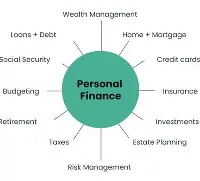
Experts often suggest saving a portion of your income regularly for your personal finance.
It does not matter how small the amount is for your finance.
4. Managing Debt Wisely in Personal Finance
Debt is borrowing money that must be repaid in your finance.
It often comes with interest in your finance.
While some debt like education or home loans can be useful much debt can become stressful in your finance.
Good debt habits in finance include:
* Paying bills on time for your finance
* Avoiding borrowing for your personal finance
* Paying off high-interest debt first for your personal finance
* Using credit responsibly in your personal finance
debt management helps maintain financial health in your personal finance.
5. Building an Emergency Fund for Personal Finance
An emergency fund is money set aside for expenses like bills, car repairs or job loss in your finance.
Benefits of an emergency fund in finance:
* Prevents reliance on loans or credit cards for your personal finance
* Provides security for your finance
* Reduces stress during emergencies for your finance
Even a small emergency fund can make a big difference in your personal finance.
6. Understanding Credit in Personal Finance
Credit represents your ability to borrow money in your finance.
You must repay it responsibly in your finance.
A good credit score can help you qualify for loans in your finance.
It can help you rent homes and get interest rates for your finance.
To improve credit in your finance:
* Pay bills on time for your personal finance
* Keep credit usage low for your personal finance
* Avoid missed payments for your finance
* Monitor credit reports regularly for your personal finance
Good credit is a valuable financial asset in your personal finance.
7. Planning for the Future with Personal Finance
Personal finance is not about today in your finance.
It’s also about planning for your finance.
Setting long-term goals helps you stay focused on your finance.
It helps you stay motivated in your finance.
Examples of goals in finance:
* Buying a house for your personal finance
* Starting a business for your finance
* Retiring comfortably for your finance
* Building investments for your personal finance
Planning early makes it easier to achieve these goals in your finance.
Understanding finance does not require advanced knowledge.
It does not require tools.
By focusing on concepts like income, budgeting, saving, debt management, credit and future planning anyone can take control of their life and personal finance.
Small consistent actions today can lead to an stress-free financial future with good personal finance management.
Personal finance becomes simple when you build the habits for your finance.

You must stay disciplined over time, with your finance.
Thanks