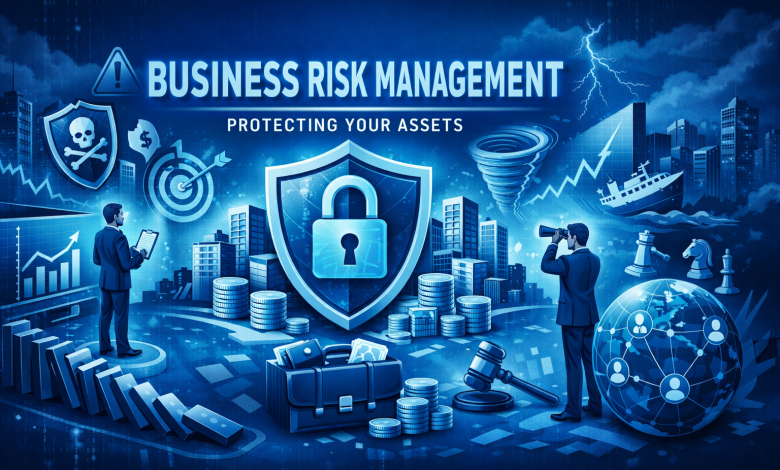
No matter what size or nature your business is, risks represent many threats to your company’s assets, operations, reputation, and existence. The good news: effective risk management doesn’t have to mean not taking risks.
Instead, it’s about proactively identifying, anticipating and planning for risks and their potential impact.
Check out should begin by fully understanding each potential danger – financial, operational, legal, and even reputational. The good news: knowing about potential problems in advance some ways you can protect your business’s assets through these risk management tactics:
Early Identification Of Risks
A business’s risk management and working to solve them proactively is a great way to prevent them from escalating into actual problems.No matter what size or nature your business is, risks represent many threats to your company’s assets, operations, reputation, and existence. The good news: effective risk management doesn’t have to mean not taking risks.
Knowledge Of The Types of Business Risk
The risks your company faces can be diverse, but typically fall into a handful of major types of business risks, such as financial risks, operational risks, compliance risks, market risks, and more.
Identifying your unique risks will help tailor risk mitigation strategies instead of employing general strategies.
Maintain Insurance Cover
Having an adequate amount of insurance can protect your company from any loss that might be caused by unfortunate, unforeseeable events.
natural disasters, or workplace injuries. Your assetsThis can act as a direct transfer of risk that shields your business from significant financial losses that might occur through incidents like equipment breakdown, value will be greater as your business grows and so will the level of your coverage.
Effective Internal Controls
Effective internal controls are key to a risk management program and aim to ensure that your business processes are secure, effective and precise.
This will often involve having: Financial Controls These are crucial for guarding against accounting errors, conserving company cash, and minimizing the potential for fraud or theft. Operational Controls These systems and processes safeguard against breakdowns or disruptions to your company’s day-to-day operations.
Diversification Of Revenue Sources
An organization’s susceptibility to risk can rise dramatically if a business relies on a single customer, product or service.
A slump in demand for a product or loss of clients due to external changes can create significant negative effects on revenue.
The way to decrease the vulnerability of the business is by having multiple streams of revenue.
Protecting your intellectual property
Many organizations place a huge part of their business value on their intellectual property.
documenting, and safeguarding these assets to reduce Whether this is patented technologies, trademarks, software, copyrights, or trade secrets; organizations must invest in registering, the potential risks involved with their exploitation.

Develop a Cybersecurity Strategy
Modern companies utilize various forms of information technology (IT) and operational technology (OT) in their daily operations.
Having a solid cybersecurity strategy in place to ward off breaches that can put your business’s intellectual property, operations and data at risk is absolutely critical.
Develop a Contingency and Crisis Management Plan
No business can completely evade risk – it’s inevitable. That is why having a robust crisis or contingency plan can provide your team with clear and actionable steps when unexpected issues like natural disasters, supply chain failures, or widespread data breaches inevitably occur, limiting their negative impact.
Periodically Review and Update Risk Management Strategies
The risk landscape for your business is always evolving, driven by the global economy, changing technologies and ever-shifting market dynamics.
For that reason, your risk management plan should never be set in stone. Frequent reassessment of your risk profile, analysis of evolving trends and adjustments to strategies are a necessary part of a risk management program.
Cultivate A Risk-Aware Culture
truly be implemented at operational levels. It’s vital to ensureOnly by integrating risk awareness into the very fabric of your organization can effective risk management practices that everyone in the company understands how their roles impact risk and feels empowered to identify potential problems.
Business Development versus Risk Management
There are some risks which can and should be accepted with the appropriate preparation, if taking them is believed to offer significant company growth opportunities.
While a business needs a strong risk management program, it should not completely hinder a company from pursuing growth through carefully managed risks.
In essence
A proactive approach is not a one-time task but an ongoing activity for the continuous health of your business. Investing time and resources in managing potential risks is key to safeguarding the company’s assets.
resources, and overall long-term success.
Thanks