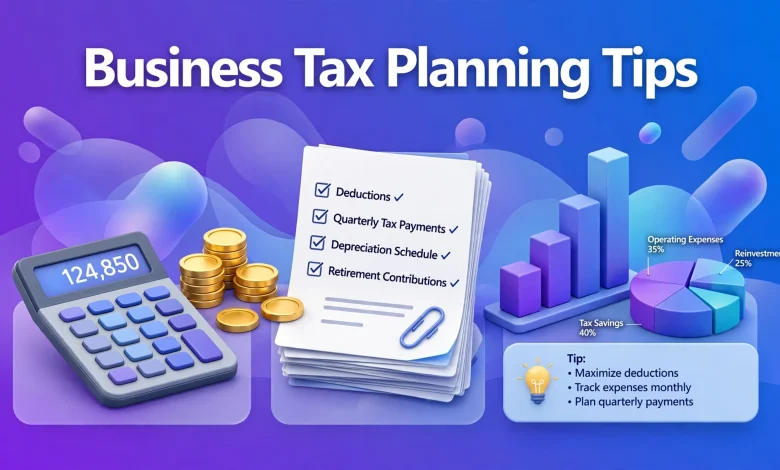
Business tax planning is essential to the financial success of any enterprise. It ensures that businesses understand their tax responsibilities, remain compliant, and make smart financial decisions. In an effort to reduce liabilities and avoid penalties, business owners should make it a point to consistently review their financial obligations and file taxes well and in good time. The following are a few tax planning tips for businesses.
Understand Tax Obligations
Before anything else, it is important that business owners are well-versed in what they owe to the government. The type of business entity they have will dictate the taxes they owe. Businesses must also be well informed of the dates on which they are supposed to file tax returns and any other dues to avoid penalties.
Maintain Proper Documentation
Provision of proper business documentation is vital for the proper tax planning of a business. Businesses must ensure they have digital copies of all their transactions including invoices, receipts, and other related costs. It is also important for the owners to keep track of all the documents and where they are stored. This is an assurance that businesses do not miss out on any income and tax deductions.
Monitor Deductible Expenses
A business owner must ensure they monitor all business expenses that are deductible. Business expenses that could be deducted include legitimate office and employee expenses. However, every jurisdiction has its own tax codes on allowable deductions; thus, it is important to be aware of the exact business expenses that can be deducted in the jurisdiction of a business.
Estimate Tax Liabilities
Most businesses face short term cash flow challenges because they are sometimes unprepared to meet their annual tax liabilities. Business owners must consistently estimate the amount of tax a business must pay and put aside a portion of the income to reserve for this purpose. In this manner, it becomes easy for business owners to identify the amount they have to put aside for their tax clear payments.

Make Smart Investments
It is important for a business owner to make proper considerations on investments they should make to grow a business. In the process of investing, it is also important that the business owner is well informed of any potential tax deductions that come with the investment. However, it is not advisable for a business owner to make investments just for the sake of enjoying tax benefits. It is essential to make smart and profitable investments.
Review Business Structure
It is important that a business owner regularly reviews the business structure to understand how much money goes to the business. It is advisable that the business owners consults a professional accountant to help them review the tax strategy and ensure that everything is up to standard. Business structure such as sole proprietorship, partnerships, and corporations among others have different impacts on the finances of a business.
Seek Professional Tax Advice
The tax laws governing different jurisdictions are not static; this means that different tax deductions and credits are made at various times to ease the burden of citizens and businesses. Seeking the advice of a qualified accountant will help business owners remain compliant with existing laws while getting the best deductions available. The professional accountant can also advise and assist the owners on the best tax planning strategy for smooth financial management and compliance.
Consistently Review Tax Plans
Businesses should regularly and consistently evaluate their financial strategies. This is important because it helps them remain compliant and get the best financial benefits as per their current financial status. Some of the factors that should be on the radar of constant tax reviewing include income, investment, expenses, and employees. By constantly reviewing their tax plans, businesses have the chance to make timely financial decisions and improve their financial growth and stability.
Conclusion
A business should consistently review their tax obligations to ensure compliance and get the best deductions. The above discussion shows that it is important to be aware of financial needs and responsibilities to avoid penalties and ensure smooth financial growth. Having a solid understanding of tax strategies also empowers business owners from unnecessary liabilities.

A solid business tax strategy is a guarantee to financial freedom with no compliance problems throughout the tenure of a business.
Thanks