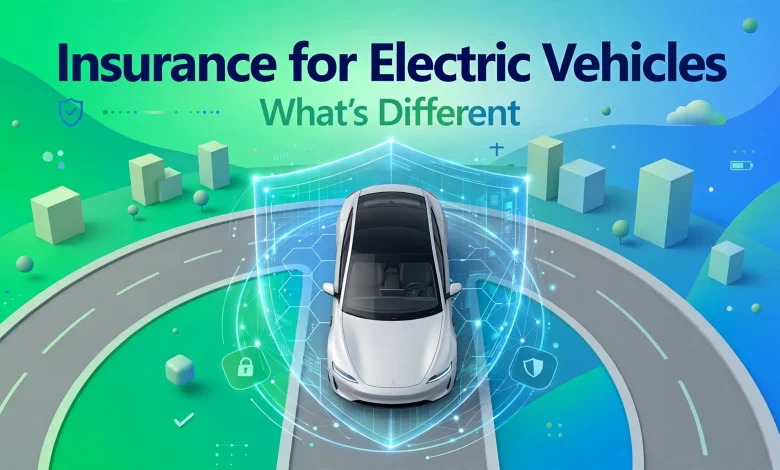
Electric vehicles are gaining increasing popularity among drivers who want to make cleaner and more efficient choices. Insurance policies for these vehicles, however, differ significantly from those for petrol or diesel vehicles.
Their technology, costly battery, special repair needs, and even a set of distinct hazards can affect insurance rates and the degree of coverage available. Getting to know the distinctions might help the owner select the best coverage for the vehicle.
Understanding Electric Vehicle Insurance Policies
Electric vehicle insurance, as a rule, has a lot in common with standard car insurance policies.
Based on the chosen package, it may safeguard against incidents, vehicle theft, fires, third-party liabilities, and anything else that may damage the vehicle. Nevertheless, EVs possess a number of unique parts that may need to be considered while choosing a policy.
The most critical distinction is linked to the battery and the electricity system since they might be the most expensive elements of the vehicle.
Battery Coverage
The battery is the core of any electric vehicle, and it can be incredibly costly to remedy if it is damaged. As such, the owner should go over the insurance policy to ensure that it adequately covers battery-related incidents.
Higher Repair Costs
EVs possess cutting-edge technology that frequently necessitates specialized expertise for installation and repairs.
These expenditures may be substantially higher than those related to conventional cars, so the owner should thoroughly examine the proposed solution.
Charging Equipment Coverage
The equipment that the EV utilizes to charge is another critical consideration. This feature alone can raise the risk of incidents, as well as the cost of the insurance policy.
Depending on the agreement, the wall-mounted charging station may be covered by either a separate home insurance policy or the car insurance provider. As such, the owner should investigate this option further to ensure that the selected package considers it.
Towing and Roadside Assistance
It is critical to ensure that the roadside assistance coverage includes everything that the EV may need in the case of an incident. The vehicle will not be able to move on its own if the battery is damaged or depleted, thus the towing service will play a key role in such situations.
The insurance provider should be asked whether the offered package considers the special needs of electric automobiles, including but not restricted to emergency roadside assistance, battery charging, and vehicle transportation.
Fire and Battery Hazards
While the lithium-ion battery in EVs is constructed to the highest safety standards, there is still a considerable danger if it is physically damaged.
As such, the insurance provider should be inquired about any restrictions that might exist for electric vehicles.
The likelihood of the battery catching fire is minimal, but it is not impossible, especially if it is exposed to high temperatures or other physical damage. The owner should ensure that the battery is equipped with all-of-the-latest safety features.

Theft and Advanced Technology
Modern electric vehicles are being equipped with state-of-the-art technology, including video cameras, internet connections, and smart keys.
While these technologies are essential for the vehicle’s performance, they may also be at risk of being stolen. The owner should inquire with the insurance company about the extent of coverage in the case of theft or damage to the vehicle’s technology.
What Affects the Cost of EV Insurance
There are several key factors that contribute to the cost of EV insurance. The primary consideration is the suggested car price, whereas the battery cost, in general, has an impact on the deductible. In addition, the vehicle’s overall repair costs, as well as the driver’s preferences, location, and miles driven, should also be considered.
While the insurance for electric vehicles tends to be rather costly, it is critical to keep in mind that it is never excessively priced. Depending on the vehicle and the provider, rates can vary significantly. With that in mind, the owner should request multiple suggestions and compare their offers.
How to Choose the Best EV Coverage
When comparing the alternatives, the concentration should be drawn to the coverage details rather than the price. The most important considerations are battery coverage, roadside assistance, repair shops, charging equipment, coverage for vehicle theft, and liability coverage.
In addition, it may be a good idea to double-check whether the insurance company allows repairs at any electric vehicle-certified facility.
The Future of EV Insurance
With time, it is expected that the insurance providers will gain more experience with these vehicles and come up with even more specialized coverage options. For now, the electric vehicle owner should be aware of the special considerations when it comes to their insurance.
Conclusion
Insurance policies for electric vehicles are rather similar to standard automobile coverage. Nevertheless, the battery, equipment, advanced automobile technologies, and the distinct requirements for roadside assistance and repairs tend to affect the final price.
As such, it is critical for the owner to request multiple suggestions and go over the details to ensure that everything is covered. In the end,
the electric vehicle can be a truly convenient and safe experience if the owner possesses the correct insurance policy.
Thanks